

Birmingham Data Recovery: RAID 0 File Data Recovery Specialists with 25 Years of Expertise
At Birmingham Data Recovery, we are the UK’s leading RAID 0 data recovery specialists, offering professional services backed by 25 years of experience. Whether you’re a small business, a home user, or a large enterprise, we provide tailored solutions for all RAID 0 data recovery needs.
Why Choose Us for RAID 0 Data Recovery?
- Unmatched Expertise: A quarter-century of experience recovering data from all RAID 0 configurations.
- Comprehensive Support: We handle all RAID 0 setups, including NAS systems, software RAID 0, and rack RAID arrays.
- Any Size, Any Complexity: From 2-disk RAID 0 arrays to large 64-disk RAID 0 configurations, we recover it all.
- Free Diagnostics: No-obligation evaluation to identify the issue and determine recovery options.
RAID 0 Systems and Brands We Support
Supported RAID 0 Configurations
- NAS Systems: RAID 0 data recovery for popular NAS brands.
- Software RAID: Recovering RAID 0 arrays managed through software configurations in PCs.
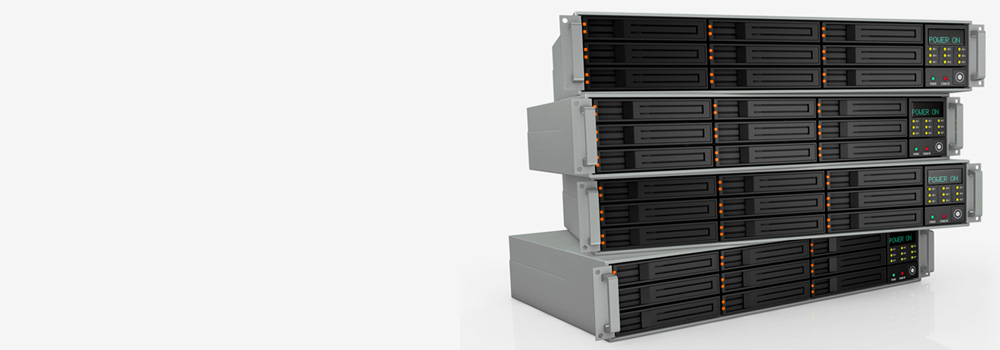
- Rack RAID Arrays: Complex enterprise-grade RAID 0 solutions in server racks.
Supported RAID 0 Brands
We specialise in recovering data from RAID arrays from all major manufacturers, including:
Synology
Synology’s DiskStation series is renowned for its user-friendly interface and robust performance, catering to both home users and businesses.
QNAP
The Turbo NAS series by QNAP offers versatile storage solutions with advanced features, suitable for multimedia streaming and data management.
Western Digital (WD)
WD’s My Cloud series provides personal cloud storage with RAID 0 capabilities, allowing users to store and access data from anywhere.
Seagate
Seagate’s IronWolf NAS series is designed for high-performance storage, offering reliability and scalability for various applications.
Netgear
Netgear’s ReadyNAS series delivers secure and easy-to-use storage solutions with RAID 0 support, ideal for home and office environments.
Buffalo Technology
The LinkStation series by Buffalo offers reliable NAS solutions with RAID 0 configurations, suitable for both personal and professional use.
The LinkStation series by Buffalo offers reliable NAS solutions with RAID 0 configurations, suitable for both personal and professional use.
Drobo
Drobo’s 5N2 NAS series provides automated data protection with RAID 0 support, ensuring optimal performance and storage efficiency.
Drobo’s 5N2 NAS series provides automated data protection with RAID 0 support, ensuring optimal performance and storage efficiency.
Asustor
Asustor’s AS series offers comprehensive NAS solutions with RAID 0 capabilities, featuring high-speed data transfer and robust security features.
Asustor’s AS series offers comprehensive NAS solutions with RAID 0 capabilities, featuring high-speed data transfer and robust security features.
TerraMaster
The F2 series by TerraMaster delivers cost-effective NAS devices with RAID 0 support, suitable for small businesses and home users seeking reliable storage solutions.
The F2 series by TerraMaster delivers cost-effective NAS devices with RAID 0 support, suitable for small businesses and home users seeking reliable storage solutions.
LenovoEMC (formerly Iomega)
LenovoEMC’s px series provides high-performance NAS solutions with RAID 0 configurations, designed for demanding business environments requiring robust data management.
LenovoEMC’s px series provides high-performance NAS solutions with RAID 0 configurations, designed for demanding business environments requiring robust data management.
Common RAID 0 Issues We Handle
1. Single Drive Failure
- Problem: RAID 0 relies on all drives working simultaneously. A single drive failure renders the entire array inaccessible.
- Cause: Mechanical failure, bad sectors, or electrical damage.
2. Multiple Drive Failures
- Problem: The failure of two or more drives in the array results in catastrophic data loss.
- Cause: Aging drives, environmental factors, or power surges.
3. Logical Corruption
- Problem: The file system or RAID structure becomes corrupted, making data inaccessible.
- Cause: Improper shutdowns, malware, or software errors.
4. RAID Controller Failure
- Problem: The RAID controller stops functioning, preventing access to the array.
- Cause: Hardware defects or firmware corruption.
5. Firmware Corruption
- Problem: Firmware issues in the drives or controller disrupt RAID operations.
- Cause: Failed updates, bugs, or sudden power loss.
6. Disk Removal or Reordering
- Problem: Drives are removed or reinserted in the wrong order, breaking the RAID structure.
- Cause: Human error during maintenance or troubleshooting.
7. Bad Sectors
- Problem: Drives develop unreadable sectors, causing errors in the striped data.
- Cause: Physical damage or aging drives.
8. Accidental Reinitialization
- Problem: The RAID array is accidentally reinitialized, erasing configuration data.
- Cause: User error or misconfigured tools.
9. Power Surges or Electrical Damage
- Problem: Drives or controllers are damaged due to sudden voltage spikes.
- Cause: Electrical storms or unstable power supplies.
10. Overheating
- Problem: High temperatures damage drives, leading to performance issues or failure.
- Cause: Poor ventilation or prolonged workloads.
11. Rebuild Failure
- Problem: Errors occur during a rebuild attempt, resulting in incomplete or corrupted data.
- Cause: Faulty drives, controller issues, or logical errors.
12. Environmental Damage
- Problem: Drives are damaged by exposure to water, dust, or extreme temperatures.
- Cause: Improper storage or environmental accidents.
13. Firmware or Software Bugs
- Problem: Bugs in firmware or RAID management software corrupt data or configuration.
- Cause: Incompatible updates or errors during firmware flashing.
14. File System Corruption
- Problem: Corrupted file systems make the RAID array unreadable.
- Cause: Improper ejections, malware, or disk errors.
15. Physical Damage to Drives
- Problem: External impacts, such as drops or shocks, damage the drives.
- Cause: Mishandling or transport accidents.
16. Drive Not Detected
- Problem: One or more drives in the RAID array fail to be recognized by the system.
- Cause: Cable issues, electrical failure, or damaged connectors.
17. Human Error During Maintenance
- Problem: Incorrect configurations or actions during maintenance result in data loss.
- Cause: Lack of expertise or miscommunication.
18. Data Stripes Overlap or Misalignment
- Problem: Misaligned stripes cause data inconsistencies and access errors.
- Cause: Drive reordering or controller errors.
19. Sudden System Shutdowns
- Problem: Abrupt power loss during write operations corrupts data stripes.
- Cause: Power outages or system crashes.
20. Malware or Ransomware Attacks
- Problem: Malware corrupts the RAID array or encrypts data, making it inaccessible.
- Cause: Phishing attacks, unsecure networks, or outdated security measures
RAID 0 failures can result from hardware issues, logical errors, environmental factors, or human mistakes. Due to the lack of redundancy in RAID 0, data recovery is particularly complex and requires specialized tools and expertise. Professional data recovery services are often the only solution for retrieving critical data in these scenarios.
Our Data Recovery Process
- Free Diagnostic Assessment
- We evaluate your RAID 0 array to identify the root cause of the failure.
- Customised Recovery Plan
- A tailored recovery strategy is developed based on your RAID configuration and issue.
- Verification of Recovered Data
- Recovered data is checked for completeness and accuracy before delivery.
- Data Delivery
- Recovered files are securely returned on a new storage device or via secure transfer.
Why RAID 0 Arrays Fail
RAID 0 is designed for performance, not redundancy. This makes it highly vulnerable to data loss in case of:
- Drive failures or power issues.
- Misconfiguration during setup or maintenance.
- Environmental factors like overheating, dust, or moisture.
Contact Birmingham Data Recovery Today!
If your RAID 0 array has failed, don’t panic—our specialists are here to help. With 25 years of RAID 0 data recovery expertise, we provide the UK’s most reliable solutions for recovering your critical data.
Contact us now for a free diagnostic and restore your RAID 0 data with confidence!